
Do Solar Panels Work in Ireland? Real Performance Explained (2026 Guide)
Introduction
Ireland isn’t exactly known for long, sunny days — so it’s no surprise that many homeowners question whether solar panels are actually worth it here.
It’s a fair concern. With frequent cloud cover, shorter winter days, and a reputation for unpredictable weather, solar energy can seem better suited to countries with more consistent sunshine.
However, the reality is very different.
Yes — solar panels do work in Ireland. Modern solar PV systems are designed to generate electricity from daylight, not just direct sunlight, meaning they can produce energy throughout the year, even in overcast conditions.
While Ireland won’t match the output levels of southern Europe, a properly designed solar system can still deliver strong performance, reduce electricity bills, and provide a solid long-term return for homeowners — particularly in areas like Dublin and the surrounding counties.
In this guide, we’ll break down exactly how solar panels perform in Ireland’s climate, what you can expect across the seasons, and whether solar is a worthwhile investment for your home.
Do Solar Panels Work in Ireland?
Solar panels work in Ireland because they generate electricity from daylight rather than direct sunlight. Even on cloudy days, modern solar panels can produce energy, making them effective in Ireland’s climate throughout the year, although output varies between summer and winter.
In practical terms, this means solar panels in Ireland can still generate a significant portion of a home’s electricity needs over the course of a year.
How Do Solar Panels Work in Low Sunlight?
Solar panels generate electricity using photovoltaic (PV) cells, which convert light into energy. Importantly, this process relies on daylight rather than direct sunshine, meaning panels can still produce electricity even when the sky is overcast.
In Ireland, this is a key factor. While bright, sunny conditions will increase output, modern solar panel systems in Ireland are specifically designed to capture diffuse light — the type of light that passes through clouds and is present on most days throughout the year.
This means that even during typical Irish weather conditions, your solar system will continue generating electricity, albeit at a lower level than during peak summer sunlight.
Advances in solar technology have also improved efficiency in lower-light environments, making today’s systems far more effective in climates like Ireland compared to older generations of panels.
How Well Do Solar Panels Perform in Ireland?
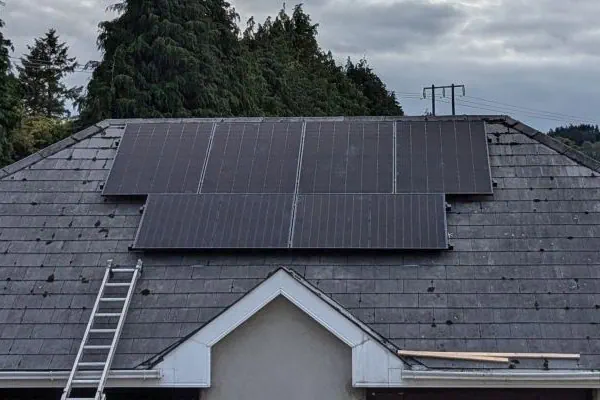
Solar panels perform better in Ireland than many people expect, with a properly installed system capable of generating a significant portion of a home’s annual electricity needs.
While Ireland doesn’t receive the same levels of direct sunlight as southern Europe, it benefits from long daylight hours during spring and summer, along with consistent diffuse light throughout the year. This allows solar panels to produce electricity across all seasons — not just on bright, sunny days.
In practical terms, a typical residential solar system in Ireland can generate anywhere from 2,500 to 4,500 kWh per year, depending on factors such as system size, roof orientation, and location. Homes in Dublin and the surrounding areas tend to perform particularly well due to relatively stable daylight conditions and fewer extreme weather variations.
Solar Output Across the Year
Solar energy production in Ireland follows a clear seasonal pattern.
- Spring and Summer:
These are the most productive months, with longer daylight hours and higher sun angles leading to strong energy generation. A large portion of your annual output will be produced during this period. - Autumn and Winter:
Output naturally drops due to shorter days and lower sun angles. However, solar panels will still generate electricity during daylight hours, even on cloudy days.
Overall, most systems in Ireland generate around 70–80% of their annual output between April and September, with the remaining portion produced during the winter months.
For homeowners exploring renewable energy options, working with an experienced provider like Keane Insulation and Solar ensures your system is designed for Irish conditions.
Do Solar Panels Work in Winter in Ireland?
Yes — solar panels do work in winter in Ireland, but their output is lower compared to the brighter months of the year.
This is mainly due to shorter daylight hours, lower sun angles, and increased cloud cover. As a result, solar systems generate less electricity during winter, particularly between November and January.
However, lower output does not mean no output.
Solar panels will still produce electricity whenever there is daylight — even on overcast days. In fact, many homeowners are surprised to see their system continuing to generate energy throughout the winter months, just at a reduced level compared to peak summer performance.
A well-designed system takes this seasonal variation into account, balancing strong summer production with consistent year-round generation.
For homeowners considering an upgrade, choosing a properly sized system and professional installation is key to maximising performance in all conditions. Working with experienced installers ensures your system is designed to perform efficiently in Ireland’s climate, including during the winter period.
If you’ve already decided solar could be a good fit for your home, it’s also worth understanding the best time to install solar panels in Ireland and whether installing before summer offers any advantages.
Learn more about solar panel installation in Dublin and how systems are designed for year-round performance.
What Affects Solar Panel Performance in Ireland?
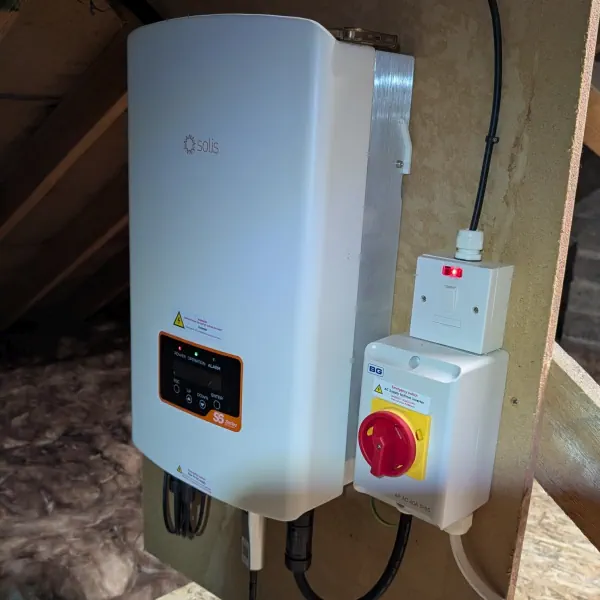
While Ireland’s climate plays a role in solar output, the performance of a solar panel system depends just as much on how it is designed and installed. A well-planned system can significantly outperform a poorly positioned or undersized one, even in the same location.
Here are the key factors that influence how well solar panels perform in Irish homes:
Roof Orientation and Angle
South-facing roofs typically achieve the highest output, as they receive the most consistent daylight throughout the day. However, east- and west-facing roofs can still perform very well and are commonly used in Ireland.
The angle (or pitch) of your roof also affects performance, with most standard Irish roof angles already suitable for solar installation.
Shading
Nearby trees, chimneys, or surrounding buildings can reduce the amount of light reaching your panels. Even partial shading can impact overall system performance if not properly accounted for during installation.
Modern systems can mitigate this through optimisers or microinverters, but careful system design is still essential.
System Size
Larger systems generate more electricity, but the right size depends on your household’s energy usage, roof space, and budget. Oversizing or undersizing a system can affect both performance and return on investment.
Battery Storage
Adding a battery allows you to store excess electricity generated during the day and use it later, particularly in the evenings or during lower-generation periods like winter.
This can significantly improve how much of your solar energy you actually use, rather than exporting it back to the grid.
Quality of Installation
Perhaps the most important factor is the quality of the installation itself. Proper system design, correct placement, and professional installation ensure your solar panels operate efficiently in Ireland’s conditions all year round.
Is Solar Worth It in Ireland?
For many homeowners, solar panels are a worthwhile investment in Ireland — particularly when installed correctly and supported by available grants.
While energy generation is lower than in sunnier countries, the combination of year-round daylight, rising electricity costs, and improved solar technology means systems can still deliver strong long-term value.
One of the biggest advantages is the ability to reduce your reliance on grid electricity. During brighter months, many homes can generate a large portion of their daily energy needs, helping to significantly lower electricity bills over time.
SEAI solar grants also play an important role in improving affordability, helping to reduce the upfront cost of installation and shorten the return on investment period.
That said, solar is not a one-size-fits-all solution. The overall value will depend on factors such as your roof suitability, energy usage, and system design. This is why a professional assessment is important — ensuring the system is tailored to your home and delivers the best possible rooftop solar performance.
Common Myths About Solar in Ireland
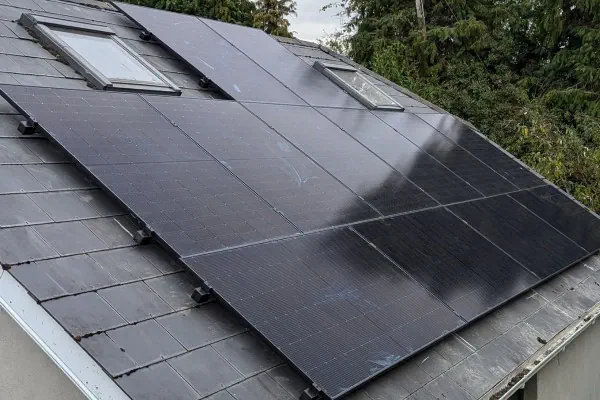
Despite the growing popularity of solar energy, there are still a number of misconceptions about how well it works in Ireland. Addressing these can help homeowners make more informed decisions.
“It’s Too Cloudy in Ireland for Solar Panels”
This is one of the most common myths — and one of the most misleading.
Solar panels don’t require constant sunshine to work. They generate electricity from daylight, meaning they can still produce energy even when it’s overcast. While output is higher on bright days, Ireland’s consistent daylight levels allow solar systems to perform reliably throughout the year.
“Solar Panels Don’t Work in Winter”
While it’s true that output is lower in winter, solar panels do not stop working. They continue to generate electricity during daylight hours, even on cloudy days.
Modern home PV solar systems are designed with this seasonal variation in mind, balancing stronger summer production with ongoing winter generation.
“You Need a South-Facing Roof”
South-facing roofs are ideal, but they are not essential.
East and West facing roofs can still provide excellent performance in Ireland, particularly when systems are properly designed. In many cases, these orientations can even better match a household’s daily energy usage.
“Solar Isn’t Worth It in Ireland”
This perception usually comes from outdated information or assumptions based on sunnier countries.
In reality, improvements in solar technology, combined with SEAI grants and rising electricity costs, have made solar a viable and increasingly popular option for Irish homeowners.
For many homes, the key factor isn’t just how much energy is generated — but how effectively that energy is used.
Conclusion: Do Solar Panels Work in Ireland?
Solar panels do work in Ireland — and for many homeowners, they can provide a reliable and cost-effective way to generate electricity throughout the year.
While output varies between seasons, modern solar systems are designed to perform efficiently in Ireland’s climate, using daylight rather than direct sunlight to produce energy. Even during the winter months, panels continue to generate electricity, helping to reduce reliance on the grid over time.
The key to getting the most from solar is proper system design and installation. Factors like roof orientation, system size, and energy usage all play a role in determining overall performance and long-term value.
If you’re considering making the switch, taking the time to understand what your home needs is the best place to start.
Explore your options for installing rooftop solar in Dublin and see what a tailored system could deliver for your home.
If you’d like to find out how solar could work for your home, you can request a consultation and get tailored advice based on your property and energy usage.
Frequently Asked Questions
Do solar panels work on cloudy days in Ireland?
Yes, solar panels still generate electricity on cloudy days because they use daylight rather than direct sunlight. While output is lower compared to bright conditions, they continue to produce energy throughout the year.
How much electricity do solar panels produce in Ireland?
A typical residential solar system in Ireland can generate between 2,500 and 4,500 kWh per year, depending on system size, roof orientation, and location.
Are solar panels worth it in winter in Ireland?
Yes, although output is lower in winter, solar panels still generate electricity during daylight hours. A well-designed system accounts for seasonal variation and continues to contribute to your home’s energy needs year-round.
Do you need a south-facing roof for solar panels in Ireland?
No, while south-facing roofs are ideal, east- and west-facing roofs can still perform very well. Proper system design is more important than perfect orientation.
How long does it take for solar panels to pay for themselves in Ireland?
The payback period varies depending on system size, energy usage, and available grants, but many homeowners see a return on investment within several years through reduced electricity bills and improved energy efficiency.

About Keane Insulation And Solar
Keane Insulation and Solar helps Dublin homeowners reduce energy bills and improve comfort with SEAI-approved attic insulation, raised attic flooring, and modern solar energy solutions. We combine trusted expertise with sustainable upgrades for smarter homes.
0 Comments