
How Much Can Attic Insulation Save You in Ireland? (2026 Guide)
Introduction
With energy prices remaining unpredictable in Ireland, homeowners are understandably looking for ways to reduce heating costs without compromising comfort. One of the simplest and most cost-effective upgrades available is proper attic insulation savings. In many Irish homes — particularly older Dublin properties — up to 30% of heat loss can occur through the roof if insulation levels are inadequate.
That means a significant portion of the money you spend heating your home may literally be escaping upwards.
Upgrading your attic insulation to modern SEAI standards can dramatically reduce heat loss, lower annual heating bills, and improve overall comfort. When combined with available grants of up to €2,000, attic insulation is often one of the fastest payback home improvements you can make.
At Keane Insulation & Solar, we help Dublin homeowners reduce heat loss, lower energy bills, and maximise SEAI grants. In this guide, we’ll break down realistic savings for Irish households in 2026, explain how insulation works, and outline what proper installation should look like — so you can make an informed decision.

How Much Heat Is Lost Through the Roof?
Heat naturally rises. In a poorly insulated home, warm air generated by your heating system rises through ceilings and into the attic space, where it escapes through the roof. Without adequate insulation acting as a thermal barrier, this process continues constantly during colder months.
Studies and SEAI guidance show that between 25% and 30% of total heat loss in an uninsulated or under-insulated home can occur through the roof space. In practical terms, that means if you’re spending €2,500 a year on heating, potentially €600–€750 of that is being lost upwards.
Many Dublin homes built before modern building regulations were introduced have insulation levels far below current recommendations. It’s common to find older attics with just 100mm of insulation — or even less — when today’s standard calls for approximately 300mm of properly installed mineral wool insulation to achieve optimal thermal performance.
Even homes that were insulated 15–20 years ago may not meet current efficiency standards. Over time, insulation can settle, become compressed by stored items, or lose effectiveness due to poor installation practices.
In many cases, rising heating costs are linked to insulation that is no longer performing effectively. If you’re unsure, it’s worth checking the signs that your attic insulation may need replacing.
Proper attic insulation acts as a continuous thermal layer, slowing heat transfer and helping your home retain warmth for longer. The result is:
Reduced heating system workload
More stable indoor temperatures
Lower energy bills
Improved overall comfort
What Does Proper Attic Insulation Look Like in 2026?
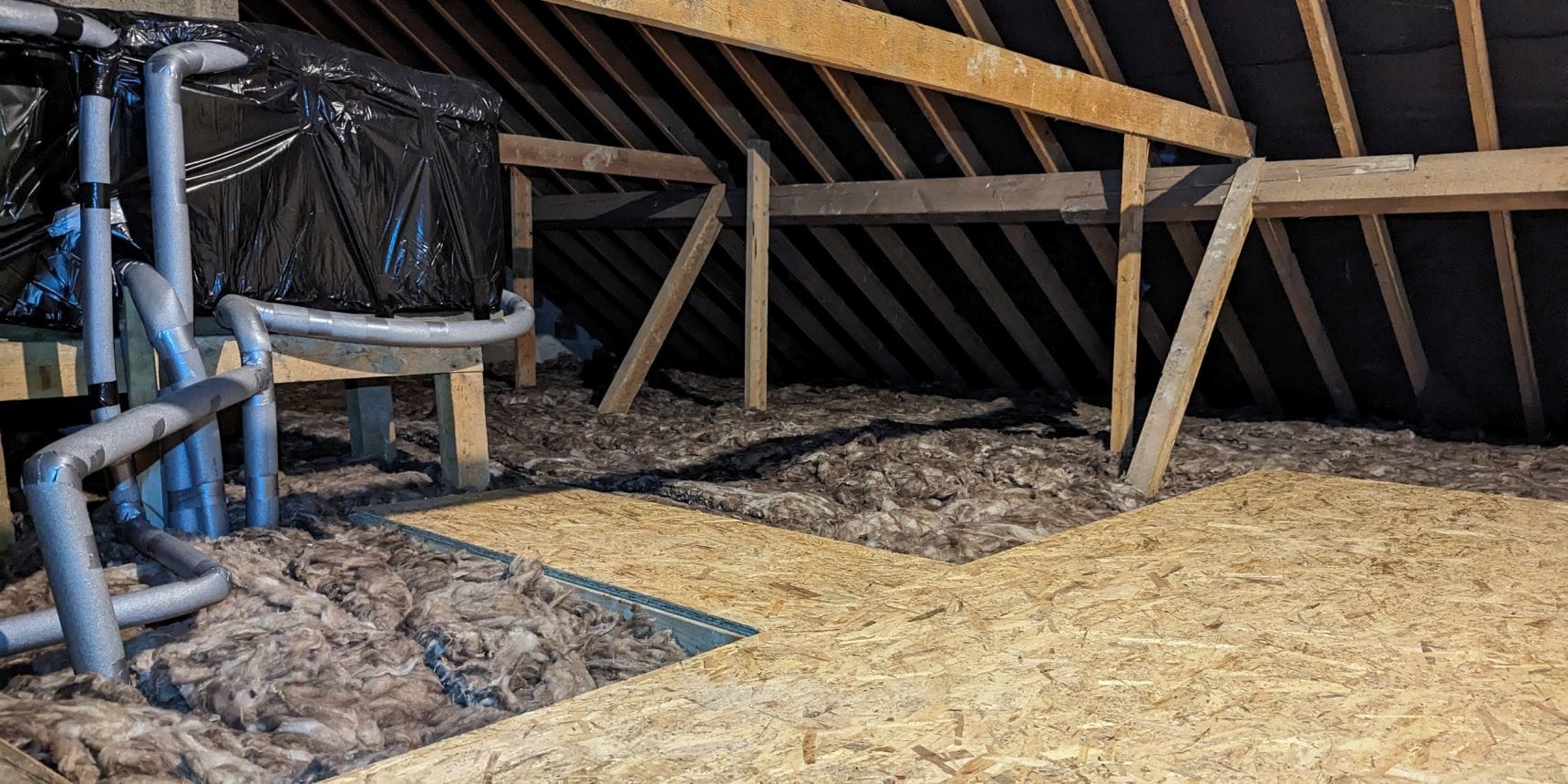
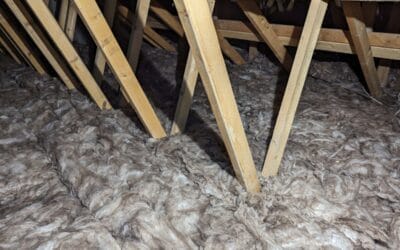
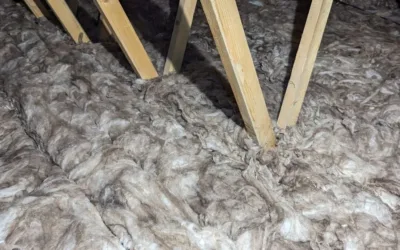
Modern attic insulation in Ireland is guided by SEAI standards and current building regulations. In most cases, this means installing approximately 300mm of mineral wool insulation, such as Earthwool, across the attic floor to achieve recommended U-values for energy efficiency.
This attic insulation thickness is typically installed in two layers:
A base layer between joists
A top layer is laid perpendicular across the joists to reduce thermal bridging
This layered approach ensures full coverage and consistent thermal performance.
However, thickness alone isn’t enough. Proper installation also requires:
Even continuous coverage with no gaps
Clear airflow is maintained at the eaves
Insulation kept dry and uncontaminated
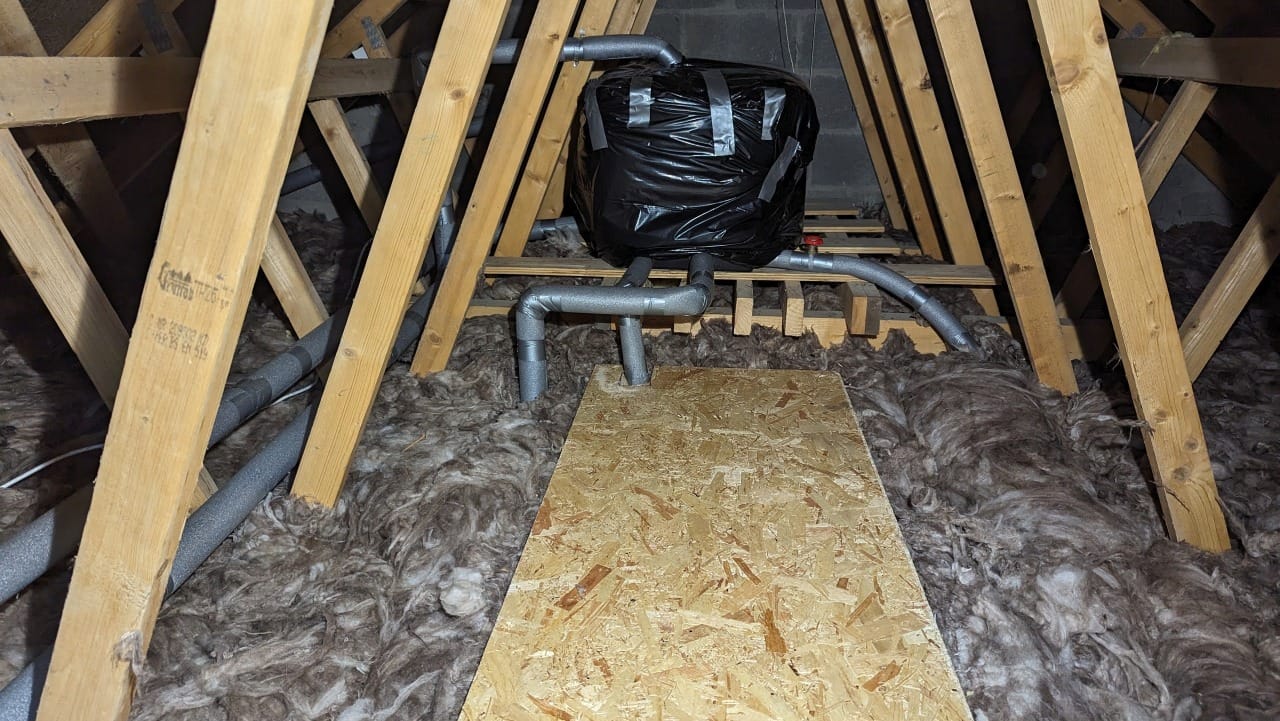
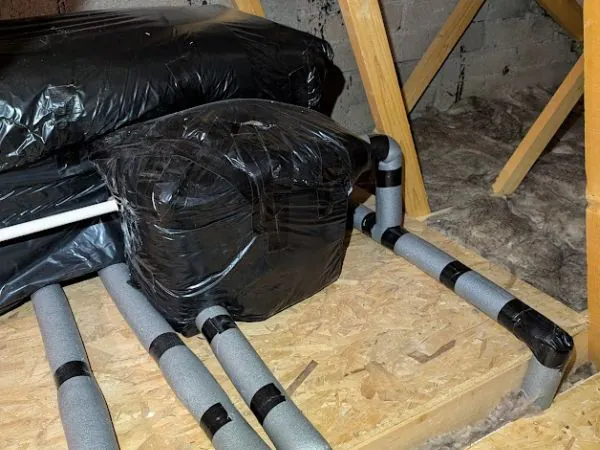
Water tanks and pipework are insulated to prevent heat loss and freezing
Safe access walkways installed without compressing insulation
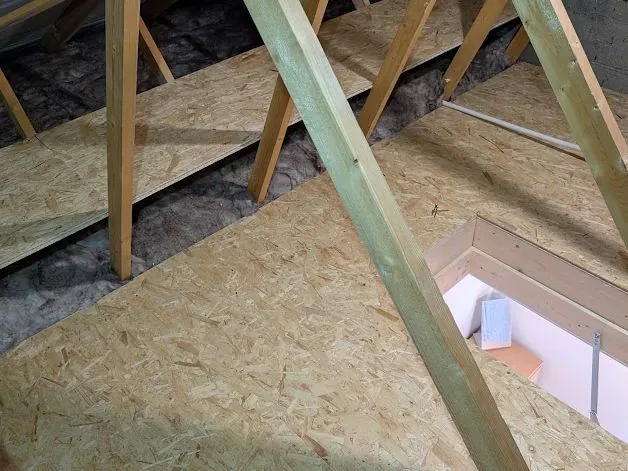
One common mistake is laying standard flooring boards directly on top of insulation. This compresses the material, significantly reducing its performance. In 2026, best practice involves using raised attic flooring systems that preserve the full 300mm depth while allowing practical storage space.
When installed correctly, modern attic insulation creates a highly effective thermal barrier that supports lower energy bills, improved BER ratings, and long-term comfort — all with relatively minimal disruption during installation.
Realistic Attic Insulation Savings in Ireland
The question most homeowners really want answered is simple: what does this mean in actual euros?
While savings vary depending on your home size, heating system, and existing insulation levels, upgrading to modern 300mm attic insulation can typically reduce overall heating demand by up to 20–30%.
Let’s look at some realistic Irish examples of attic insulation savings.
Oil-Heated Homes
Oil boilers remain very common in Irish homes, particularly in older Dublin homes. The average spend on home heating oil in Dublin is between €1,200 and €2,000, and if your attic is poorly insulated, improving insulation could reasonably reduce your heating demand by 20–30%.
That translates to potential annual savings for an average Irish household of approximately:
€240 to €600 per year
In homes with very little existing insulation, savings can fall toward the higher end of that range.
Gas-Heated Homes
For homes using natural gas, average annual heating costs might range from €1,400 to €1,800, depending on usage and property size.
With upgraded attic insulation:
Annual savings of €300 to €550 are realistic
Gas systems also benefit from reduced boiler runtime, helping extend the heating system’s lifespan.
Heat Pump Homes
Heat pumps operate most efficiently in well-insulated properties. If your attic insulation is below modern standards, the heat pump may need to work harder and run longer to maintain the ideal home temperature.
Upgrading insulation won’t reduce your bill as dramatically as in oil or gas-heated homes, but it will:
Improve system efficiency
Reduce electricity usage
Stabilise indoor temperatures
Improve overall system performance
In all cases, the better your home retains heat, the less energy you need to buy.
How Long Does Attic Insulation Take to Pay for Itself?
Attic insulation is widely considered one of the fastest payback home energy upgrades available.
With the SEAI attic insulation grant offering up to €2,000, the upfront cost for homeowners is significantly reduced. After grant support, many attic insulation projects fall into a price range where the payback period is typically between:
2 to 4 years
For example:
If your post-grant investment is €1,000
And you save €300 per year on heating
Your payback period is just over 3 years
After that point, the savings continue year after year.
Unlike more complex upgrades, attic insulation has:
Minimal maintenance requirements
No moving parts
No ongoing servicing costs
It simply works silently in the background, improving comfort and reducing bills every winter.
The SEAI Attic Insulation Grant (2026 Update)
To encourage energy efficiency improvements, the Sustainable Energy Authority of Ireland (SEAI) offers grants of up to €2,000 for attic insulation upgrades.
To qualify:
An SEAI-registered contractor must carry out the work
The insulation must meet current thickness and performance standards
Your home must have been built and occupied before certain cut-off dates (eligibility criteria apply)
The process typically involves:
- Applying through the SEAI website
- Having the work completed to the required standards
- Receiving confirmation and grant approval
Many homeowners are surprised at how straightforward the process is when guided properly. Working with an experienced, SEAI-approved installer ensures the insulation is installed to specification, paperwork is handled correctly, and no performance standards are missed.
The grant significantly reduces the financial barrier to upgrading insulation, making attic insulation one of the most accessible energy improvements available in Ireland today.
See the SEAI website for more details on the attic insulation grant, or you can read our guide to the SEAI attic insulation grant.
Other Benefits Beyond Energy Savings
While the financial savings are often the primary motivation, attic insulation delivers several additional benefits that homeowners immediately notice.
A Warmer, More Comfortable Home
Proper insulation reduces temperature fluctuations throughout the house. Rooms feel warmer for longer, cold ceilings disappear, and draughts are reduced.
Less Strain on Your Heating System
When heat isn’t constantly escaping through the roof, your boiler or heat pump doesn’t need to run as frequently. This can extend the lifespan of your system and reduce maintenance issues over time.
Reduced Risk of Frozen Pipes
Insulating water tanks and pipework in the attic helps prevent freezing during cold snaps — something particularly relevant during Irish winters.
Improved BER Rating
Upgrading attic insulation can positively impact your Building Energy Rating (BER), which may improve resale value and buyer appeal.
Lower Carbon Footprint
Reducing heat loss means burning less fuel or using less electricity, lowering your household’s overall carbon emissions.
Attic insulation improves both the financial and practical performance of your home.
Does Attic Flooring Affect Your Energy Savings?
A common question homeowners ask is whether installing attic flooring will reduce insulation performance.
The answer depends entirely on how it’s done.
Standard boards laid directly on top of insulation compress the material, reducing its thickness and thermal effectiveness. Even a small reduction in depth can significantly reduce performance.
Modern best practice involves installing raised attic flooring systems. These systems:
Maintain the full 300mm insulation depth
Prevent compression
Allow safe storage
Create proper walkways
Provide safe access to water tanks
This approach allows homeowners to enjoy usable attic storage space without sacrificing energy efficiency.
When insulation and flooring are installed correctly together, you get both savings and practicality.
Is Attic Insulation Worth It in 2026?
For most Irish homeowners, the answer is yes.
Compared to other energy upgrades, attic insulation:
Has one of the lowest upfront costs
Offers one of the fastest payback periods
Causes minimal disruption during installation
Delivers immediate comfort improvements
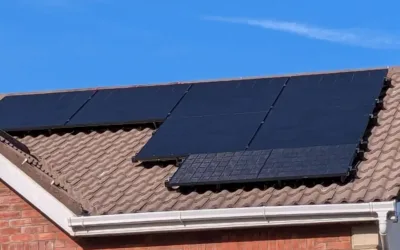
Before investing in more complex upgrades such as solar panels or heating system changes, improving insulation ensures your home retains heat effectively. In many cases, it is the logical first step in any home energy upgrade strategy.
With energy prices unlikely to fall dramatically in the near future, reducing heat loss remains one of the safest and most reliable ways to control long-term household expenses.
Frequently Asked Questions
How much does attic insulation cost in Ireland?
Costs vary depending on attic size and current insulation levels. After the SEAI grant (up to €2,000), many homeowners find the upgrade highly affordable with a short payback period.
Can I insulate over existing insulation?
Yes, in many cases, additional insulation can be layered on top of existing material — provided it is dry and in good condition.
How thick should attic insulation be?
Current SEAI standards typically require around 300mm of mineral wool insulation for optimal performance.
Does attic insulation help in summer?
Yes. Insulation slows heat transfer in both directions, helping keep homes cooler during warmer months.
Do I need a BER assessment before applying for the SEAI grant?
Grant requirements can vary, but working with an SEAI-registered installer ensures compliance and correct documentation.
Conclusion
In many older Dublin homes, insulation levels fall well below modern SEAI recommendations, making attic upgrades one of the most impactful improvements available.
If your attic insulation is below modern standards, you could be losing up to 30% of your home’s heat through the roof. Upgrading to 300mm SEAI-standard insulation can realistically save hundreds of euros per year, with a typical payback period of just 2–4 years after grants.
Beyond the savings, you’ll enjoy a warmer home, reduced heating strain, improved BER performance, and added long-term value.
For homeowners across Dublin and surrounding areas, Keane Insulation and Solar provides SEAI-approved attic insulation and raised flooring systems designed to maximise both performance and practicality.
If you’re considering improving your home’s energy efficiency in 2026, attic insulation remains one of the smartest and most reliable places to start. Keane Insulation and Solar provides SEAI-approved attic insulation and raised flooring across Dublin and the surrounding areas. Get in touch with us and start saving on your home energy bills today.

About Keane Insulation And Solar
Keane Insulation and Solar helps Dublin homeowners reduce energy bills and improve comfort with SEAI-approved attic insulation, raised attic flooring, and modern solar energy solutions. We combine trusted expertise with sustainable upgrades for smarter homes.
0 Comments