

When Should You Replace Attic Insulation? 7 Signs Irish Homeowners Shouldn’t Ignore
Introduction
Rising energy bills, rooms that never seem to warm up properly, or a constant need to keep the heating on — these are all common issues for homeowners across Ireland.
In many cases, the problem isn’t the heating system itself, but what’s happening above it.
Attic insulation plays a key role in keeping heat inside your home. But over time, insulation can become less effective due to age, compression, moisture, or simply not meeting modern standards.
The challenge is that most homeowners don’t regularly check their attic, so problems can go unnoticed for years — quietly increasing energy costs and reducing comfort.
In this guide, we’ll walk through the most common signs your attic insulation may need replacing, and what you should do if your current insulation is no longer performing as it should.
When Should You Replace Attic Insulation?
Attic insulation should be replaced when it becomes compressed, damp, outdated, or no longer performs effectively. Common signs include rising energy bills, uneven room temperatures, persistent drafts, and visible deterioration in the attic.
In many Irish homes, these issues develop gradually, making them easy to overlook until heating costs start to rise.
Many homeowners don’t realise their attic insulation is underperforming until the effects start to become obvious.
What often begins as slightly higher heating bills or a colder room can gradually develop into more noticeable issues throughout the home. The key is recognising the early warning signs before energy loss becomes a bigger and more expensive problem.
7 Signs Your Attic Insulation Needs Replacing
1. Your Energy Bills Are Increasing
If your heating costs have been steadily rising without a clear reason, your attic insulation could be part of the problem.
When insulation loses its effectiveness, more heat escapes through the roof, meaning your heating system has to work harder to maintain a comfortable temperature.
Over time, this can lead to noticeably higher energy bills — particularly during colder months.
👉 You can learn more about how insulation affects costs in our guide to how much attic insulation can save you in Ireland.
2. Rooms Feel Cold or Uneven
Do some rooms in your home feel noticeably colder than others, even when the heating is on?
Uneven temperatures are often a sign that heat is escaping more quickly in certain areas — with the attic being one of the most common points of loss.
Proper insulation helps maintain a consistent temperature throughout the home, so if that balance is off, it’s worth investigating further.
3. Your Insulation Is Over 20–30 Years Old
Older insulation materials were installed to different standards and may no longer provide adequate performance by today’s levels.
In many Irish homes, insulation installed decades ago falls well below the recommended attic insulation thickness in Ireland, meaning it simply isn’t doing the job effectively anymore.
Even if it looks intact, outdated insulation may still need to be upgraded.
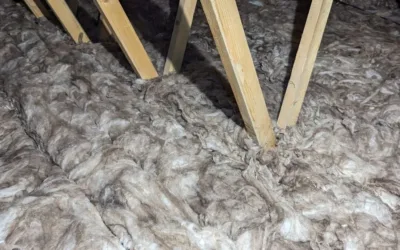
4. Insulation Looks Compressed or Flattened
Insulation works by trapping air, which helps reduce heat transfer. When it becomes compressed or flattened, it loses much of its insulating ability.
This can happen over time, or as a result of attic flooring being installed directly on top of insulation without proper support.
If the insulation in your attic looks thin, compacted, or uneven, it may no longer be performing as it should.

5. Damp, Mould, or a Musty Smell in the Attic
If your attic has any signs of dampness, mould, or a persistent musty smell, your insulation may already be compromised.
Moisture can significantly reduce the effectiveness of insulation, and in some cases, it may need to be removed entirely and replaced. Damp insulation not only performs poorly but can also contribute to air quality issues within the home.
This is one of the clearer signs that your attic insulation needs attention sooner rather than later.
6. Drafts Despite Having the Heating On
If you notice cold drafts in your home even when the heating is running, it often indicates that heat is escaping faster than it should.
The attic is one of the main areas where this can happen, particularly if insulation is thin, damaged, or poorly installed.
In these cases, upgrading your insulation can help create a more effective thermal barrier, improving both comfort and energy efficiency.
7. You’re Not Sure What Insulation You Have
This is one of the most common situations for homeowners — and one of the most overlooked.
If you’ve never checked your attic insulation, or you’re unsure of its condition, thickness, or age, there’s a good chance it may not be performing as it should.
Many homes across Dublin and the surrounding areas still have outdated or insufficient insulation, simply because it hasn’t been assessed in years.
If you’re unsure, a professional inspection can quickly determine whether your insulation is adequate or due for replacement.
What Should You Do If Your Insulation Needs Replacing?
If you’ve noticed one or more of these signs, the next step is to assess the condition of your attic insulation properly before making any decisions.
In some cases, insulation can be topped up — but if it’s damp, heavily compressed, or significantly below current standards, a full replacement is often the better long-term solution.
A professional assessment will look at:
- The current thickness of your insulation
- Its condition (including moisture or damage)
- Whether it meets modern performance standards
- Any issues with ventilation or airflow
This ensures that any upgrade is based on what your home actually needs, rather than a one-size-fits-all approach.
If an upgrade is required, it’s also important to consider how insulation interacts with other elements in your attic, such as flooring. Poorly installed flooring can compress insulation and reduce its effectiveness, so both should be planned together.
For homeowners looking to improve energy efficiency and comfort, upgrading insulation is one of the most effective improvements you can make.
👉 If you’re considering an upgrade, exploring attic insulation services in Dublin can help you understand what’s involved and what your home may need.
Can You Get a Grant for Replacing Attic Insulation?
In many cases, yes — homeowners in Ireland may be eligible for financial support when upgrading attic insulation through SEAI grants.
These grants are designed to improve the energy efficiency of homes, helping to reduce both upfront costs and long-term energy usage. To qualify, the insulation installed must meet current performance standards, which typically means reaching the recommended thickness levels.
Because of this, simply topping up existing insulation may not always be enough — especially if the current material is outdated or in poor condition.
Understanding what you’re eligible for, and what standard your insulation needs to meet, is an important part of planning any upgrade.
👉 You can learn more about eligibility and the process in our guide to SEAI attic insulation grants in Ireland.
Attic Insulation Upgrades in Dublin
For homeowners in Dublin and surrounding areas, attic insulation is one of the most effective ways to improve comfort and reduce energy loss — particularly in older properties where insulation may be outdated or underperforming.
Every home is different, and factors such as insulation condition, attic layout, and existing flooring can all influence what type of upgrade is needed. This is why a tailored approach is important, rather than relying on a generic solution.
Working with experienced professionals ensures your insulation is assessed properly and upgraded to meet current standards, helping you get the best possible performance from your home.
Conclusion: When Should You Replace Attic Insulation?
If your attic insulation is no longer performing effectively, the impact is often felt throughout your home — from higher energy bills to reduced comfort and ongoing heat loss.
The key is recognising the signs early. Whether it’s rising heating costs, uneven temperatures, visible damage, or simply uncertainty about what’s in your attic, these are all indicators that it may be time to take a closer look.
Addressing insulation issues doesn’t just improve efficiency — it can make a noticeable difference to how your home feels day to day.
If you’re unsure about the condition of your attic insulation, the best next step is a professional assessment.
👉 You can request an attic insulation assessment to find out exactly what your home needs and whether an upgrade is recommended.

About Keane Insulation And Solar
Keane Insulation and Solar helps Dublin homeowners reduce energy bills and improve comfort with SEAI-approved attic insulation, raised attic flooring, and modern solar energy solutions. We combine trusted expertise with sustainable upgrades for smarter homes.
0 Comments