
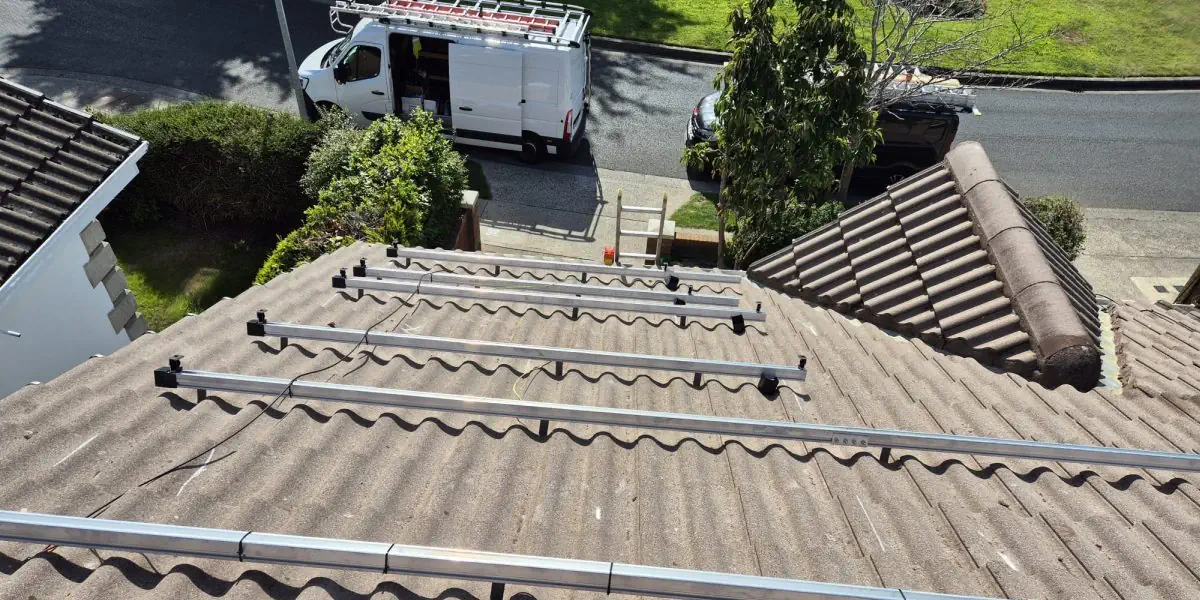
Is Now a Good Time to Install Solar Panels in Ireland?
If you’ve been considering solar panels for your home, you may be wondering whether now is the right time to make the move or if it’s better to wait until later in the year.
It’s a common question for Irish homeowners. With longer days approaching, energy costs remaining high, and SEAI grants still available, many people are weighing up the benefits of installing solar before the peak summer months. At the same time, it’s natural to wonder whether waiting a few months would make any real difference.
The truth is that while solar panels can be installed successfully at any time of year, the timing of your installation can affect how quickly you start generating electricity, reducing your reliance on the grid, and seeing a return on your investment.
For homeowners across Dublin and Ireland, spring and early summer are often considered the ideal time to install solar panels, allowing you to take advantage of the most productive months of the year from day one.
At Keane Insulation and Solar, we help Dublin homeowners to understand whether solar is the right fit for their property and energy goals.
In this guide, we’ll look at the best time to install solar panels in Ireland, the advantages of installing before summer, and the key factors to consider when deciding whether now is the right time for your home.
What Is the Best Time to Install Solar Panels in Ireland?
Spring and early summer are often considered the best times to install solar panels in Ireland because they allow homeowners to take advantage of the most productive months for solar generation immediately after installation. Installing before peak summer demand can also help avoid longer lead times and ensure your system is producing electricity during the period of highest output.
While solar panels can be installed successfully at any time of year, there are several advantages to having a system in place before the summer months arrive.
Firstly, solar panels generate the most electricity when daylight hours are longest. By installing in spring or early summer, homeowners can begin benefiting from increased energy production straight away, helping to maximise savings and reduce reliance on grid electricity.
There is also a practical consideration. As awareness of solar energy continues to grow, demand for installations often increases during the warmer months. Planning ahead can help ensure there is enough time for system design, grant applications, and installation scheduling before the busiest part of the year.
That said, there is no single “perfect” month to install solar panels. The right time will depend on your circumstances, energy usage, and long-term plans. For many homeowners, the best time to install solar is simply when they are ready to start benefiting from the electricity their system can generate.
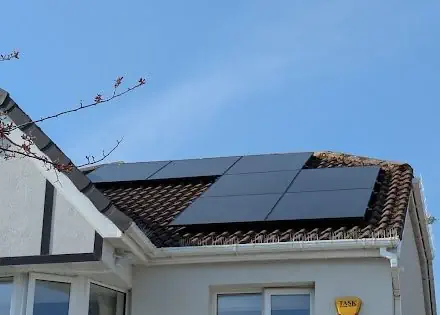
Why Spring and Early Summer Are Popular for Solar Installations
Many homeowners choose to install solar panels during spring and early summer because it allows them to start generating electricity during the most productive time of the year.
While solar panels work throughout the year in Ireland, longer daylight hours and higher sun angles during late spring and summer naturally result in increased energy production. Having a system installed before these months arrive means you can begin benefiting from that additional generation immediately.
Longer Days Mean More Solar Generation
As the days become longer through spring and into summer, solar panels have more daylight hours available to generate electricity.
Although modern solar panels can produce energy even on cloudy days, longer periods of daylight generally lead to higher overall output. This is one of the reasons why a significant proportion of a solar system’s annual generation is typically produced between April and September.
For homeowners considering solar, having a system installed before this period begins allows them to maximise the benefits of these higher-production months from the outset.
If you’re unsure how solar panels perform throughout the different seasons, our guide to how solar panels perform throughout the year in Ireland explains what to expect from a solar system in Irish conditions.
Start Saving During the Most Productive Months
Installing solar panels before summer doesn’t just increase energy generation — it can also help homeowners start reducing their electricity bills sooner.
The more electricity your solar panels generate, the more of your household’s energy needs can be met by your own system rather than importing electricity from the grid. During brighter months, many homes see their highest levels of solar production, making this an ideal time to begin benefiting from the investment.
For households that are home during the day, or those planning to add battery storage in the future, the summer months can provide an excellent opportunity to maximise the use of self-generated electricity.
Of course, every home is different. Factors such as roof orientation, system size, and energy usage patterns will all influence the amount of electricity a solar system produces. However, installing ahead of the summer season allows homeowners to start taking advantage of favourable generation conditions as soon as possible.
Don’t Forget About Installation Lead Times
One factor that is often overlooked when planning a solar installation is the time required to move from an initial enquiry to a fully operational system.
While the installation itself can often be completed in a relatively short period, there are several stages involved before work begins. Understanding these steps can help homeowners plan more effectively and avoid disappointment if demand increases during busier periods of the year.
What Happens Before Installation?
Before solar panels are installed, there are a number of important steps to ensure the system is designed correctly for your home.
These typically include:
- An initial consultation or site assessment
- Reviewing roof suitability and available space
- Designing the solar PV system
- Confirming equipment specifications
- Applying for any relevant grants
- Scheduling the installation
Each home is different, which is why taking the time to properly assess requirements is essential. A well-designed system will generally deliver better long-term performance than a rushed installation.
For homeowners considering solar panel installation in Dublin, starting the process early can help ensure there is sufficient time to assess options and choose the most suitable system.
Why Planning Ahead Can Be Beneficial
Solar panels can be installed at any time of year, but demand often increases during spring and summer as more homeowners begin thinking about reducing energy costs and improving energy efficiency.
This doesn’t mean you should rush into a decision. However, if you’re already researching solar and expect to move forward in the coming months, planning ahead can help ensure your installation is completed when it best suits your schedule.
It also means you can begin benefiting from solar generation sooner, rather than spending another summer considering the idea while continuing to rely entirely on grid electricity.
The goal isn’t to install solar as quickly as possible — it’s to have a properly designed system in place when you’re ready to start benefiting from it.
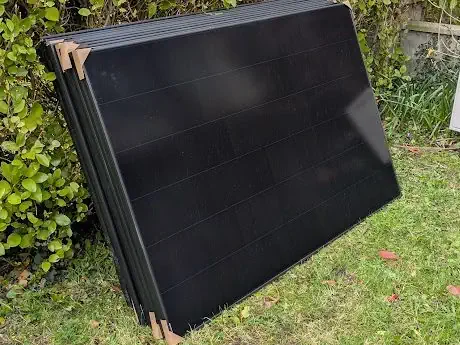
SEAI Grants Are Still Available
For many homeowners, one of the biggest advantages of installing solar panels today is that financial support is still available through the SEAI Solar PV Grant scheme.
The grant can significantly reduce the upfront cost of a solar installation, helping homeowners make the switch to renewable energy while shortening the overall payback period of their investment.
While grants shouldn’t be the sole reason for installing solar panels, they can make the decision considerably more attractive for households that are already considering improving their energy efficiency and reducing electricity bills.
How Grants Help Reduce Installation Costs
The cost of installing solar panels has become more accessible in recent years thanks to a combination of improving technology and government support.
By reducing the initial investment required, SEAI grants allow homeowners to start benefiting from solar generation without covering the entire cost themselves.
When combined with the ongoing savings that solar panels can provide, the grant can make the overall return on investment even more appealing.
For the most up-to-date information on available support and eligibility requirements, homeowners should always refer to the official SEAI guidance.
Why It’s Worth Checking Eligibility Early
If you’re considering installing solar panels before summer, it’s sensible to understand the grant process as part of your planning.
Eligibility requirements, documentation, and installation standards all need to be considered before work begins. Starting the conversation early helps ensure there is sufficient time to understand your options and prepare properly.
Even if you decide not to proceed immediately, having a clear understanding of the grants available can make it easier to plan a future solar installation with confidence.
What If You Wait Until Autumn or Winter?
If you’re not quite ready to install solar panels this spring or summer, there’s no need to worry. Solar panels can be installed successfully throughout the year, including during autumn and winter.
Modern solar systems are designed to operate in Irish conditions year-round, and homeowners continue to benefit from solar generation regardless of the season in which their system is installed.
Can Solar Panels Be Installed During Winter?
Yes. In most cases, solar installations can be completed during winter just as effectively as at other times of the year.
While weather conditions may occasionally affect installation schedules, solar panels themselves continue to generate electricity during the winter months. Although output is typically lower than during summer due to shorter days, a properly designed system will still contribute towards your home’s energy needs.
For homeowners planning a larger renovation or energy upgrade, winter can sometimes be a convenient time to complete a solar installation before the following spring and summer season.
The Main Difference Is When You Start Benefiting
The biggest difference between installing before summer and waiting until later in the year isn’t whether the system will work — it’s when you’ll begin benefiting from it.
A system installed in spring will immediately enter the months that typically deliver the highest levels of solar generation. A system installed in autumn will still perform well, but homeowners may need to wait until the following spring and summer to reach peak production.
This doesn’t mean one approach is right and the other is wrong. The best time to install solar panels is ultimately the time that aligns with your plans, budget, and energy goals.
However, for homeowners already considering solar, installing before summer provides an opportunity to start generating electricity and reducing grid dependence during some of the most productive months of the year.
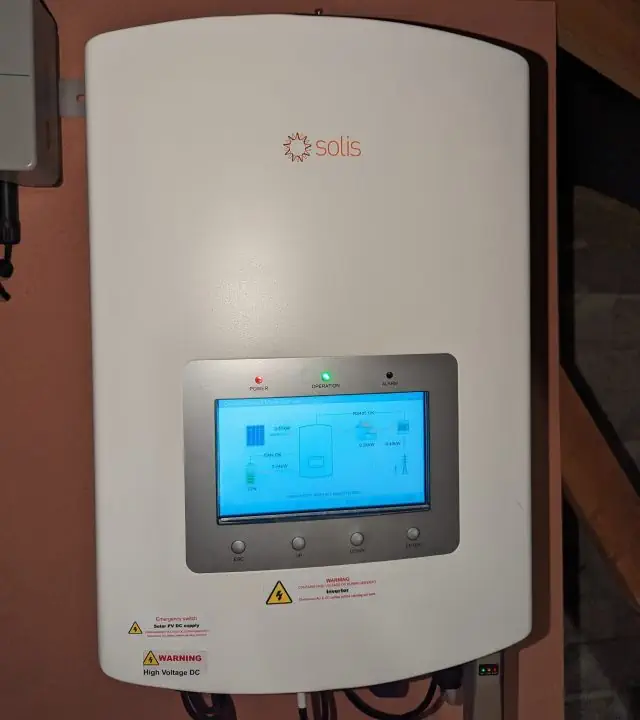
Is Your Home Ready for Solar?
While timing is an important consideration, it’s only one part of the decision-making process. Understanding whether your home is suitable for solar panels can help ensure you get the best possible results from your investment.
The good news is that many homes across Dublin and Ireland are well-suited to solar energy. Even properties that aren’t perfectly positioned can often achieve excellent performance with a properly designed system.
Roof Orientation and Available Space
One of the first things to consider is your roof.
South-facing roofs are generally regarded as ideal for solar panels because they receive the most sunlight throughout the day. However, east- and west-facing roofs can also perform very well in Ireland and often provide excellent returns for homeowners.
Available roof space is another important factor. The size of your roof influences the number of panels that can be installed and, ultimately, how much electricity your system can generate.
In most cases, a professional assessment can quickly determine whether your roof is suitable and what system size would be most appropriate.
Understanding Your Energy Usage
The best solar systems are designed around how a household actually uses electricity.
Factors such as:
- Household size
- Daytime electricity usage
- Electric vehicles
- Heat pumps
- Future energy requirements
can all influence the ideal system design.
A home that uses most of its electricity during the day may benefit differently from solar than one where energy demand is concentrated in the evenings.
Understanding your usage patterns helps ensure that any system installed is tailored to your needs rather than simply maximising the number of panels.
Getting Professional Advice
Every home is different, which is why professional guidance can be valuable when considering solar.
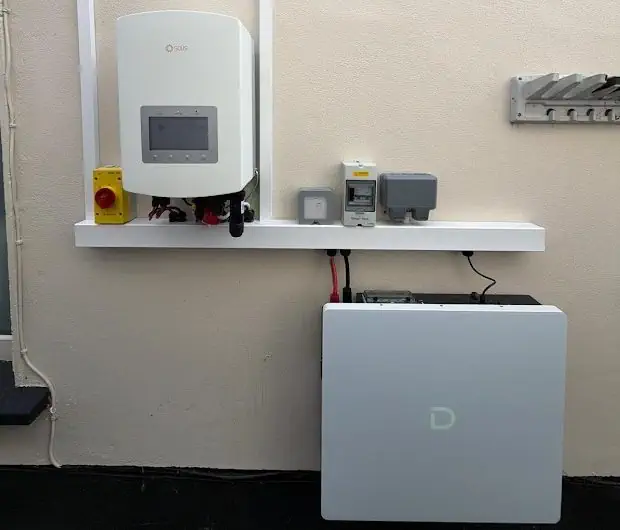
A consultation allows homeowners to understand what level of generation they can realistically expect, what system size may be appropriate, and whether additional technologies such as battery storage could provide further benefits.
For homeowners considering solar panel installation in Dublin, obtaining tailored advice from a reputable solar installer is often the easiest way to determine whether now is the right time to move forward with a solar project.
Should You Install Battery Storage or an EV Charger at the Same Time?
For many homeowners, installing solar panels is the first step towards reducing reliance on grid electricity. However, it is often worth considering whether other complementary technologies could add further value to the investment.
Battery storage systems and EV chargers are becoming increasingly popular additions to residential solar installations, helping homeowners make better use of the electricity they generate.
While they are not essential for every property, planning for them at the same time as a solar installation can simplify the process and help future-proof your home.
Why Homeowners Often Install Battery Storage Alongside Solar
Solar panels generate electricity whenever there is sufficient daylight, but that generation doesn’t always coincide with when electricity is needed most.
A home battery allows excess electricity produced during the day to be stored and used later, rather than being exported to the grid.
This can be particularly beneficial during spring and summer, when solar panels often generate more electricity than a household consumes during daylight hours.
By storing surplus energy for use in the evening, battery systems can help homeowners increase their use of self-generated electricity and reduce reliance on imported power.
For homes with higher electricity usage outside daylight hours, battery storage may significantly improve the overall value of a solar installation.
Is It Worth Installing an EV Charger at the Same Time?
If you’re planning to buy an electric vehicle in the near future, installing an EV charger alongside your solar system may be worth considering.
Combining both projects can reduce disruption and ensure your home is prepared for future charging requirements from the outset.
It also opens up the possibility of using solar-generated electricity to help charge your vehicle, potentially reducing running costs compared to relying solely on grid electricity.
Even homeowners who don’t currently own an electric vehicle may choose to prepare for one as part of a broader home energy upgrade.
Planning Your Energy Upgrade as a Complete System
Rather than looking at solar panels, battery storage, and EV charging as separate projects, many homeowners are now taking a more integrated approach.
Considering future energy needs at the planning stage can help ensure the system installed today continues to meet requirements for years to come.
Whether you’re interested in solar panels alone or are exploring battery storage and EV charging options as well, understanding your long-term goals can help determine the most suitable solution for your home.
A professional assessment can identify the opportunities available and help you decide which technologies make the most sense for your circumstances.
Conclusion: Should You Install Solar Panels Now?
For many homeowners in Ireland, spring and early summer are among the best times to install solar panels. Longer daylight hours, higher seasonal energy generation, and the opportunity to begin reducing electricity bills sooner all make this an attractive time to move forward with a solar project.
That doesn’t mean solar panels can’t be installed successfully at other times of the year. A well-designed system can deliver benefits year-round, regardless of when it is installed. However, homeowners who are already considering solar may find that planning ahead allows them to take full advantage of the most productive months of the year.
It’s also worth remembering that solar is often just one part of a wider home energy upgrade. Battery storage, EV chargers, and changing household energy needs can all influence the most suitable system for your property.
Ultimately, the best time to install solar panels is when you’re ready to start benefiting from the electricity they generate.
If you’d like to understand what solar could deliver for your home, you can request a solar consultation to discuss your options and receive tailored advice based on your property and energy usage.
Frequently Asked Questions
If you’re still deciding whether now is the right time to install solar panels, the answers below cover some of the most common questions homeowners ask about installation timing, seasonal performance, and grants in Ireland.
Is spring the best time to install solar panels in Ireland?
Spring is often considered one of the best times to install solar panels in Ireland because it allows homeowners to take advantage of the longer days and higher levels of solar generation typically seen during summer. However, solar panels can be installed successfully at any time of year.
Can solar panels be installed during winter?
Yes. Solar panels can be installed throughout the year, including during winter. While weather conditions may occasionally affect scheduling, a properly installed solar system will continue to generate electricity during winter months and provide benefits year-round.
How long does a solar panel installation take?
The installation itself is often completed within a day or two for most residential properties. However, the overall process may take longer as it can include consultations, system design, grant applications, equipment ordering, and scheduling.
Do solar panels generate more electricity in summer?
Yes. Solar panels typically generate more electricity during late spring and summer because there are more daylight hours available. While they continue to work throughout the year, the highest levels of production are generally seen between April and September.
Are SEAI solar grants still available?
SEAI Solar PV Grants are currently available to eligible homeowners in Ireland. Grant amounts and eligibility criteria can change over time, so it is always advisable to check the latest home energy grant information directly from the SEAI before proceeding with an installation.

About Keane Insulation And Solar
Keane Insulation and Solar helps Dublin homeowners reduce energy bills and improve comfort with SEAI-approved attic insulation, raised attic flooring, and modern solar energy solutions. We combine trusted expertise with sustainable upgrades for smarter homes.
0 Comments